
Ahead of the US presidential election later this year, the State of Ohio's election authorities have adopted an aggressive cyber security posture and are actively combatting disinformation. Although it's highly unlikely that a foreign country could change the way that votes are tabulated in the US, it could plant doubt and make people believe that their vote doesn't count, the state's top election official says
Ohio's chief election officer, Secretary of State Frank LaRose, is well aware of the menace of state-sponsored hackers undermining the credibility of the US electoral process.
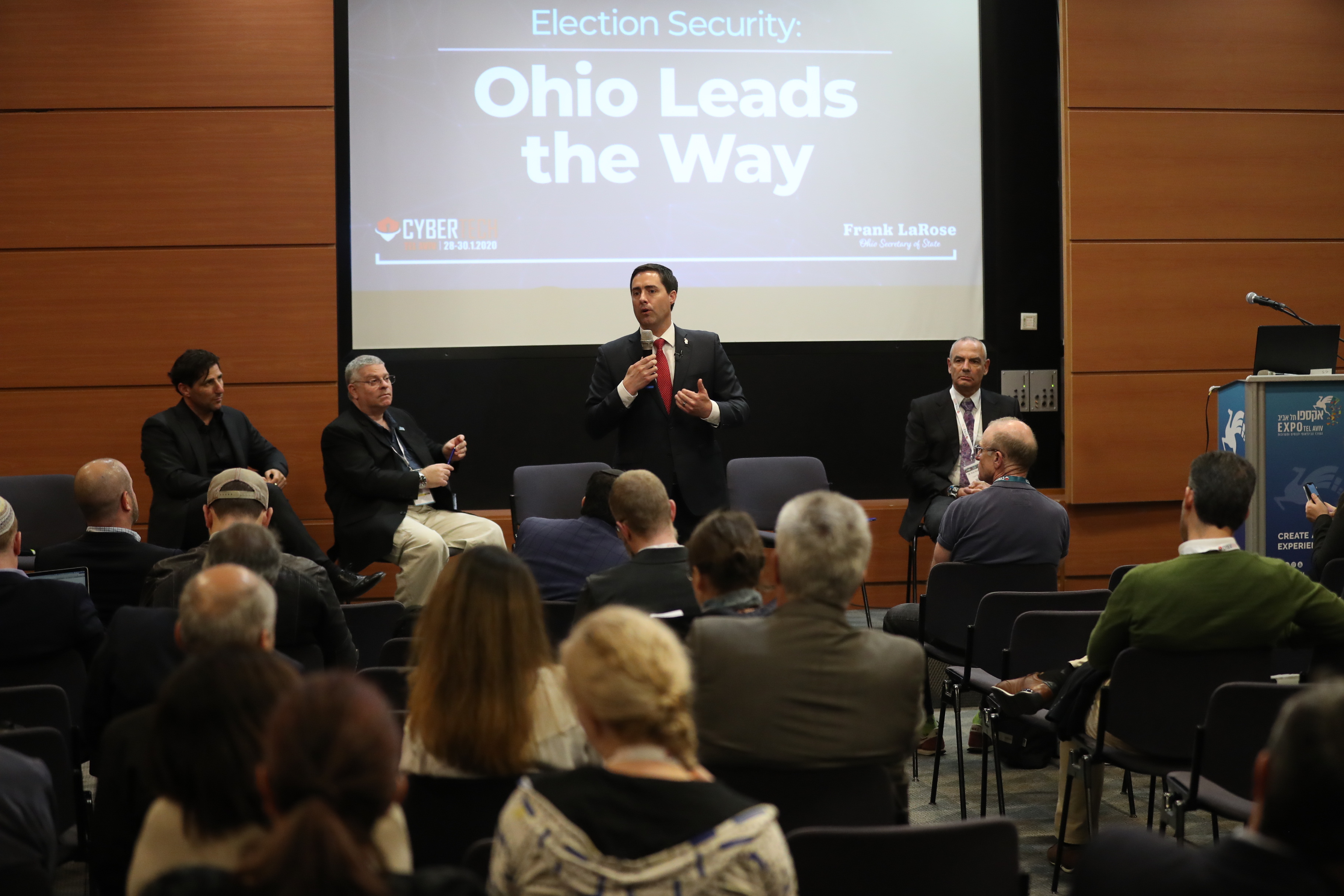
But in a speech at the Cybertech Global 2020 conference in Tel Aviv, LaRose said the only real, credible way that a foreign country like Russia or Iran could influence the outcome of a US election is by unleashing fear and creating doubt in the minds of voters, such that certain groups of voters opt not to participate in the process.
He emphasized during the speech on January 29 that the election infrastructure in the US is very resilient.
"Our foreign adversaries also know that this infrastructure is very secure. That it is highly unlikely that they could actually change the tabulation of votes. It's highly unlikely that they could change the way that votes are counted and reported. And they know this. So instead of trying to hack our election system, we know what they did in 2016, they hacked our perception of elections. They got into the minds of people and planted that doubt and made people believe that their vote wouldn't count, which is just as effective as hacking an election."
LaRose, a former US Army Green Beret, said that he brings the military mentality to the work he does to ensure fair and honest elections. He assumed the post a year ago.
Foreign adversaries of the US, and of Israel, want to delegitimize elections, he said. "They want to plant a seed of doubt in the mind of the people of your country and mine. They want to make voters question whether this is a valid way to run a country, to choose your leaders. Whether people can really be in charge of their own way of life and their own affairs."
But LaRose said that under his watch Ohio is putting in place key measures to secure the election process.
"Ohio leads the way when it comes to securing the elections infrastructure in our nation," he said. LaRose already instructed all 88 of his state's county boards of elections to complete an extensive 34-point checklist, including strict cyber security measures, by the end of January. He calls the list a "pre-flight checklist" like the ones used by pilots before they take off.
"Any aviators in the room will tell you it doesn't matter how many flight hours you have, you would never, never take off without conducting a pre-flight checklist, and certainly something as crucial, complex and far-reaching as a presidential election should work the same way." He said the checklist has become a national example that other states are now working to follow because of how aggressive its cyber security posture is.
LaRose also commented on the effect of fake news on the election process.
"Each of us as influence leaders, as people who are all actively engaged on social media and whatever else, we can be responsible about what we share. Every sensational story that comes across our feed isn't something that we need to share, because when we share it, we're validating it to our friends. So I keep telling people 'Think before you share, because you may be doing Russia's work for them if you're spreading a false campaign that makes people fearful about elections.' That's no different in Israel or in the US."